It's Friday night. Your full-time workweek just ended, and instead of winding down, you're opening your laptop to answer client messages, edit photos, or log into a delivery app. You're tired. Honestly, a little resentful. But you keep going — because the extra money matters.
Sound familiar?
There's a version of this story where the side hustle is genuinely working for you. And there's a version where it's quietly become a second job you never fully signed up for — one eating your evenings, your weekends, and your peace of mind without moving your finances nearly as much as you think.
According to a 2026 survey by MyPerfectResume, 72% of U.S. workers now rely on some form of secondary income, and inflation is the main reason. That makes sense. Costs have gone up, wages haven't kept pace, and a side hustle feels like the obvious move. But what almost no one talks about is that not every side hustle is actually worth keeping. Here's how to figure out which kind you have. (If you're still in the earlier stage of deciding how to build multiple streams in the first place, our guide to income stacking without burning out covers the framework for doing it sustainably.)
The Hidden Math Most Side Hustlers Never Do
When people evaluate a side hustle, they usually look at one number: how much did I make this month?
That's the wrong question. The better one is: how much did I make per hour?
Here's why it matters. The average American side hustler earns about $1,122 a month, according to 2026 data from The Penny Hoarder. That sounds meaningful. But the median — the figure right in the middle of the range — is just $200 a month, according to Bankrate. That gap exists because a small number of high-earners pull the average up, while most people are making far less than the headlines suggest.
Now factor in your time. Side hustlers spend an average of 13 hours a week on their gig — about 52 hours a month. If you're earning $200 a month for 52 hours of work, your effective hourly rate is under $4. That's well below minimum wage in most states.
That doesn't mean you should automatically quit. There are legitimate reasons to keep going at a lower rate for a while: building skills, growing a client base, creating something that will eventually scale. But you should know your number. Most people don't, and that's exactly how a side hustle can feel productive while quietly not being worth it.
The benchmark: If your effective hourly rate is consistently above $20–$25 an hour, your hustle is likely pulling its financial weight. Below that, the math starts working against you — and the gap widens once you factor in taxes on self-employment income.
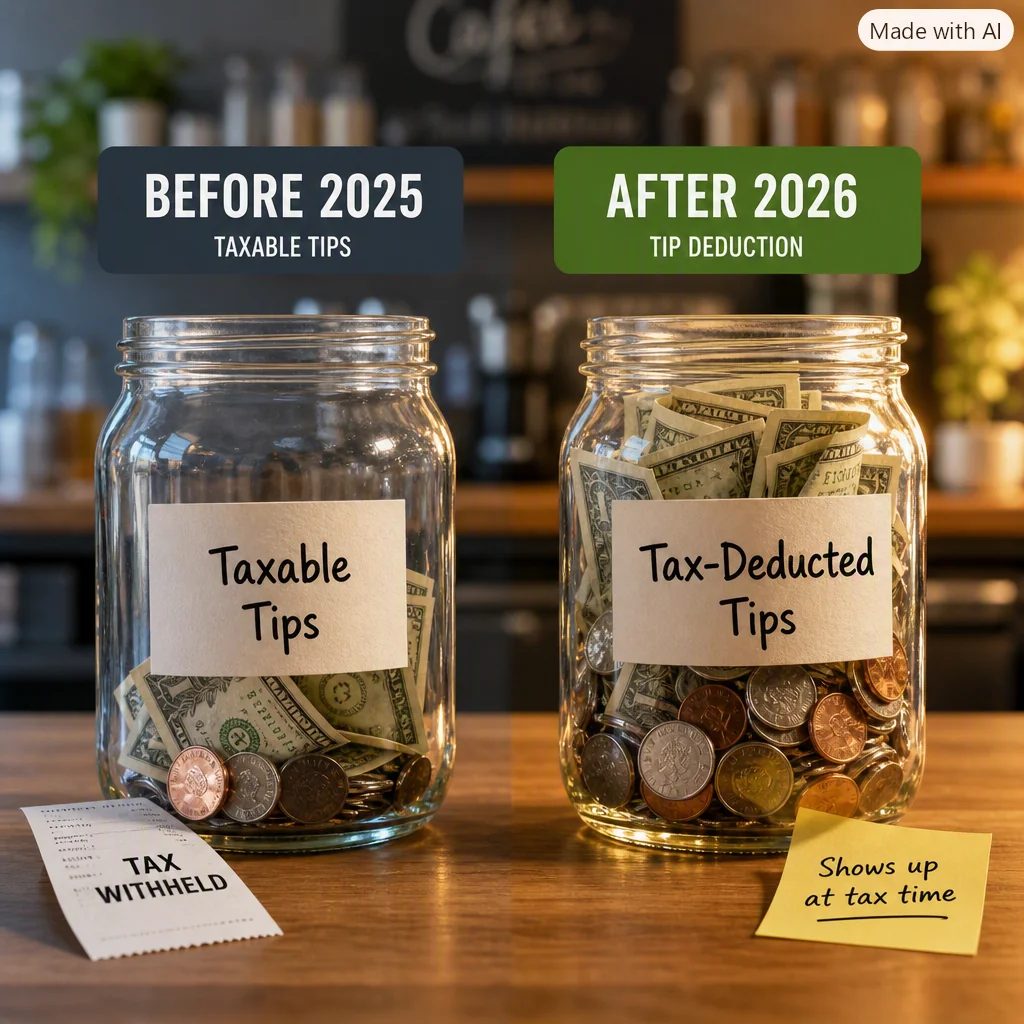
One partial offset worth knowing about if your hustle involves tips: drivers, delivery workers and other tipped occupations can now deduct qualified tips on their federal return. Our breakdown of what the tips and overtime deductions are actually worth covers the catch, though — self-employment tax at 15.3% is untouched, so it improves the tax bill without improving the hourly rate.
Signs Your Hustle Is Working For You
Not every side hustle needs to be ruthlessly optimized. Some are worthwhile even when the money isn't enormous — a hustle that teaches you a marketable skill, builds a creative portfolio, or moves you toward a long-term goal has real value beyond the hourly rate alone.
The income covers something specific and meaningful — a debt payoff plan, a travel fund, an emergency cushion you couldn't otherwise build.
Your hourly rate is improving over time, not stagnant or declining as the novelty fades.
You feel some degree of energy or satisfaction from it — not every session, but enough to keep it sustainable.
It doesn't routinely spill into the time you've set aside for rest, relationships, or your health.
Knowing what you know now, you'd make the same choice to start it.
If most of those are true, keep going — especially if the income is covering a real financial gap. A side hustle that checks those boxes is an outstanding tool.
Signs Your Hustle Is Working Against You
Here's where it gets harder to be honest with yourself.
67% of side hustlers say their extra work leads to burnout — and of those, 80% keep going anyway. That's a lot of people tolerating something that's quietly costing them more than they realize.
This is sometimes called "passion fatigue" — when something you once chose to do starts feeling obligatory. One dread-filled session doesn't mean much. But if the feeling is consistent, it's worth taking seriously.
If your side hustle is regularly eating into your sleep, your workouts, or your time with people you care about, that's not a scheduling problem to optimize away. It's a signal the hustle has outgrown its boundaries.
Your full-time income is almost certainly your largest financial asset. If you're showing up tired, distracted, or running on empty because of your side hustle, you're effectively trading your primary income — which likely pays far more — for a secondary one that earns considerably less.
You started to pay off one credit card. That happened. But now there's no clear finish line, and you're still grinding without a defined reason. A side hustle without a specific purpose can turn into a treadmill you don't know how to step off.
How to Actually Make the Call
If you're genuinely on the fence, try this: set a 60-day evaluation window. For those two months, track your income and your actual hours. After each session, briefly note how you felt — energized, neutral, or drained. At the end, answer three questions honestly:
Total monthly income ÷ total hours worked (including all the invisible time). Be honest — add it all up.
Vague intentions don't count. A clear target — a dollar amount, a payoff date, a savings milestone — does.
Sleep, energy, relationships, mood. The full picture — not just the financial snapshot.
If the rate is solid, the goal is clear, and you're not running on fumes — keep going.
If the numbers are thin, the purpose is fuzzy, and you're exhausted — it's okay to stop. Methodically shutting down a side hustle that isn't working isn't giving up on your finances. It might be protecting the things your finances most depend on: your health, your focus, and your main source of income.
Worth trying first: Instead of quitting outright, set a hard weekly cap — say, five hours maximum — and hold to it for 30 days. Sometimes the problem isn't the hustle itself. It's the pace you've set for it. See if the hustle feels different when it can't expand to fill every spare hour.
The Part Nobody Wants to Say Out Loud
There's real cultural pressure around side hustles. The narrative that the hustle is the path to freedom — and that quitting it means settling — is everywhere. I understand why people internalize it.
But here's what I truly believe: a side hustle that works for you is one of the best financial tools available. It builds savings, fills gaps, and creates options. One that quietly drains you is just a second job you chose not to negotiate proper pay for.
The goal of extra income isn't to be busy. It's to get ahead. If your current hustle isn't doing that — financially or personally — you have every reason to reassess. And if the exhaustion runs deeper than the hustle itself, there's a more honest fix than pushing through: a planned, funded career break — a micro-retirement — priced out and saved for like any other financial goal.
Know which one you have. Then make a decision you can actually feel good about. If you're still searching for the right hustle in the first place, our framework for picking a side hustle that won't burn you out walks through how to match your constraints to the right type — or try the Side Hustle Fit Finder to get a personalized recommendation in about 5 minutes.
Frequently Asked Questions
How do I know if my side hustle is actually worth it?
Calculate your effective hourly rate: total monthly income divided by all hours worked — including prep, admin, unpaid communication, and commuting. If it's consistently above $20–$25 an hour, the hustle is likely pulling its financial weight; below that, the math starts working against you, especially after self-employment taxes.
What does the average side hustle actually pay?
The average is about $1,122 a month, but the median is just $200 — a small number of high earners pull the average up. At the average 13 hours per week, a $200/month hustle works out to under $4 an hour.
When should you quit a side hustle?
When the warning signs are consistent: you dread it more than you look forward to it, it's bleeding into sleep, health, or relationships, and your hourly rate is stagnant or declining. 67% of side hustlers report burnout — and 80% of those keep going anyway, which is exactly the trap to avoid.